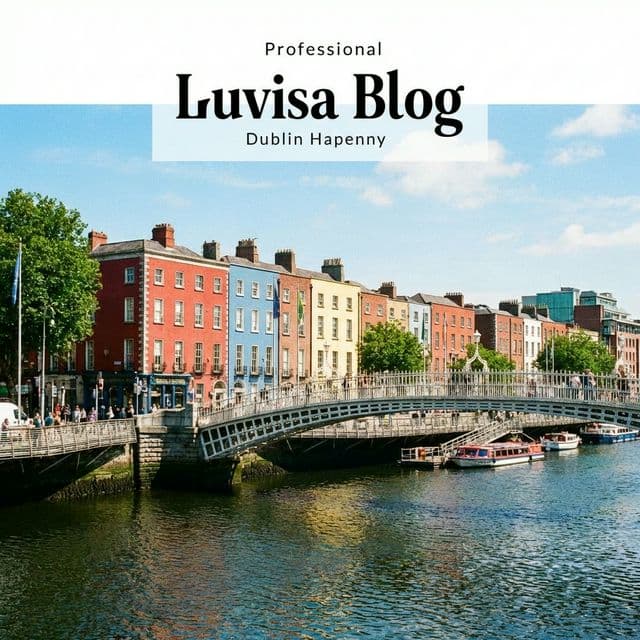
Dublin, Ireland's charismatic capital, offers a uniquely warm atmosphere with world-famous pubs, rich literary history, and friendly locals who'll make you feel at home from the moment you arrive. From the hallowed halls of Trinity College to the buzzing streets of Temple Bar, Dublin pulses with live music, storytelling, and that untranslatable Irish concept of "craic" — good times, conversation, and fun.
Getting There: Finding Cheap Flights
Dublin Airport (DUB) is Ryanair's main headquarters, making it one of the best-connected airports in Europe for budget flights. Fares from €10-25 one way are common from cities across the continent, and during sales they can drop to as low as €5-10. Aer Lingus also offers competitive fares from European hubs. Use Flajt.com to compare all available options and set fare alerts for the best deals.
The cheapest months to fly are January-March and November. The airport bus (Dublin Express, €7-8) or local bus (Route 16, €3.50) connect you to the city center in 30-45 minutes.
Must-See Attractions
Trinity College and the legendary Book of Kells (€18) are unmissable — this 9th-century illuminated manuscript is one of Ireland's greatest treasures. The Long Room library, with its stunning barrel-vaulted ceiling and 200,000 oldest books, inspired the Jedi Archive in Star Wars. The Guinness Storehouse (€18-26, book online for discounts) offers a self-guided tour through the brewing process, finishing with a panoramic pint at the Gravity Bar.
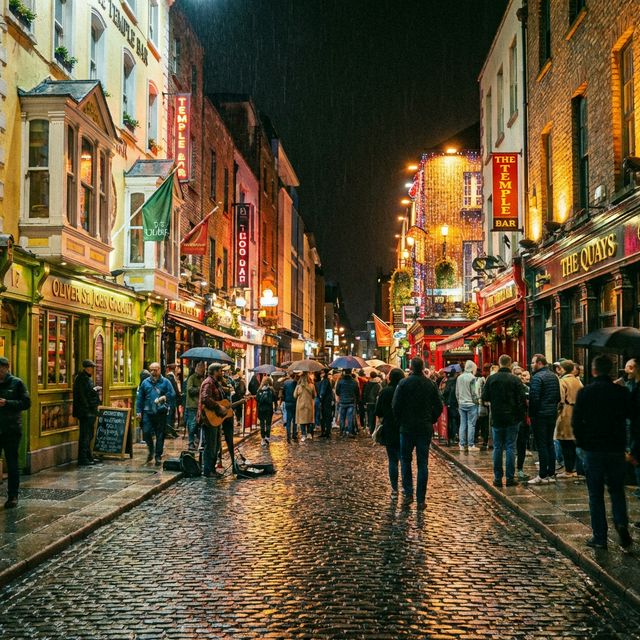
Free highlights abound: walking through Georgian Dublin's elegant squares (Merrion Square, Fitzwilliam Square), the magnificent St. Stephen's Green park, Phoenix Park (one of Europe's largest enclosed city parks — twice the size of Central Park, with free-roaming deer), the stunning National Gallery of Ireland (free), and St. Patrick's Cathedral exterior. The Chester Beatty Library (free, often rated Ireland's best museum) houses an extraordinary collection of manuscripts, prints, and art from across Asia, the Middle East, and Europe.
Where to Stay on a Budget
- Smithfield — Up-and-coming area north of the river with the famous Jameson Distillery. Hostels from €18/night, budget hotels from €45/night.
- Portobello — Charming canal-side neighborhood with a village feel. B&Bs from €50/night.
- Temple Bar — Central but can be noisy and pricier. Hostels from €20/night for the prime location.
- Rathmines — Student area south of the center with cheap eats. Airbnbs from €35/night.
Pub Culture — The Heart of Dublin
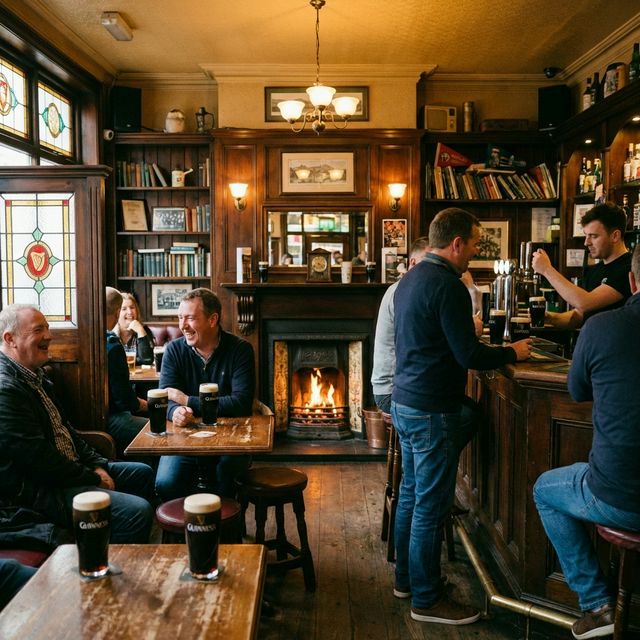
Dublin's pub culture isn't just about drinking — it's about music, conversation, and community. A pint of Guinness costs €5-7 (cheaper outside Temple Bar — locals drink in pubs like The Cobblestone, Mulligan's, or Kehoe's where pints are €5-5.50). Traditional music sessions — where musicians gather spontaneously to play Irish folk tunes — happen nightly in dozens of pubs and are always free. The Cobblestone in Smithfield is widely regarded as Dublin's best for trad music.
For food, "carvery" lunches in pubs offer enormous meals (roast meat, potatoes, vegetables, gravy) for €10-12. Fish and chips at Leo Burdock's (Dublin's oldest chipper, since 1913) costs €8-10. The growing street food scene at Temple Bar Food Market (Saturdays) offers diverse meals for €6-10.
Getting Around
Dublin is very walkable — most attractions are within a 30-minute walk. The Luas tram and DART train are efficient: single tickets €2-3.50, Leap Card (€5 deposit) gives 20% cheaper fares. The DART coastal train to Howth (€3.50, 30 minutes) is one of the best free day trips — walk the stunning Howth cliff loop trail with panoramic sea views and enjoy fresh seafood at the harbor.
Best Time to Visit
May-September for the best weather and longest days. St. Patrick's Day (March 17) is legendary but expensive. A weekend in Dublin costs €200-350 per person. Search on Flajt.com!
Comprehensive Budget Travel Strategies for Dublin
Traveling to Dublin on a tight budget is entirely achievable if you follow a few proven, golden rules of budget travel. First and foremost, always aim to book your flight tickets and accommodations several months in advance to secure the absolute best early-bird rates. When deciding what to pack for Dublin, remember to bring highly comfortable, broken-in walking shoes, as the most rewarding way to experience the hidden charm of the city is undoubtedly on foot. Exploring the winding streets and historic avenues slowly allows you to discover places not mentioned in guidebooks. Additionally, consider purchasing a local prepaid SIM card upon arrival, or download offline maps ahead of time to navigate the extensive public transport networks efficiently without incurring expensive international roaming charges. When it comes to dining, it is crucial to avoid restaurants situated directly alongside major tourist landmarks or central plazas, as these establishments tend to be significantly overpriced and often cater specifically to tourists rather than offering authentic cuisine. Instead, make the effort to explore the quieter side streets and residential neighborhoods nearby, where authentic, affordable, and spectacular local cuisine awaits you in establishments frequented by the residents themselves.
Essential Packing Guide
Regardless of the specific season in which you plan to visit, the weather in Dublin can sometimes be quite unpredictable. The ultimate secret to staying comfortable is packing in layers. During the warmer summer months, lightweight, breathable, and moisture-wicking fabrics are ideal for long days of daytime exploration. However, you should always pack a light windbreaker jacket or a warm sweater for unexpectedly cooler evenings. Conversely, in the wintertime, high-quality thermal base layers, a robust waterproof and windproof winter coat, and insulated, water-resistant boots are absolutely essential to stay warm and comfortable while you enjoy the city's myriad outdoor attractions and holiday markets. Furthermore, do not forget to pack a universal power adapter to keep your devices charged, along with a high-capacity portable power bank. You will likely be using your smartphone extensively for navigation, photography, and translating menus throughout the day, and running out of battery can be incredibly frustrating.
Local Etiquette, Customs, and Culture
Taking the time to understand and respect the local etiquette in Dublin will make your trip infinitely more enjoyable and will help you connect authentically with the local residents. Starting any interaction with a polite, friendly greeting in the local language always goes a very long way and shows respect for the culture. In many cafes, bars, and restaurants across the city, tipping is warmly appreciated though it may not always be strictly mandatory; leaving a 5% to 10% tip for excellent and attentive service is generally customary and considered good manners. When utilizing the public transportation system, particularly when riding the escalators in the busy metro stations, always remember to stand on the right side. This allows rushed commuters and locals to pass smoothly on the left. Finally, be mindful of your overall volume and noise levels in public spaces, museums, and on public transit, as locals generally appreciate and maintain a calm, quiet, and respectful atmosphere in their daily lives.
Health, Safety, and Practical Information
Dublin is generally considered a very safe and secure destination for international tourists, but it remains wise to practice basic situational awareness at all times. Always keep your valuables, passports, and wallets secure and hidden, particularly when navigating crowded areas such as bustling public markets, popular tourist squares, and central transit hubs, to deter opportunistic pickpockets. It is highly recommended to ensure you possess comprehensive travel insurance that adequately covers both unexpected medical emergencies and sudden trip cancellations. In most parts of the city, the tap water is incredibly clean and perfectly safe to drink, so carrying a sturdy reusable water bottle is an excellent way to save money and simultaneously reduce your plastic waste footprint. Should you need any basic medical supplies, over-the-counter medications, or first-aid items, the local pharmacies are exceptionally well-stocked, strictly regulated, and staffed by highly trained, helpful medical professionals who can often offer invaluable advice.
Photography Tips and Scenic Viewpoints
For photography enthusiasts, amateur snappers, and social media lovers, Dublin offers an absolute abundance of stunning visual opportunities around every corner. To capture the most magical shots, try to wake up early to photograph the iconic historical landmarks without the overwhelming daytime crowds. The "golden hour," occurring just after sunrise and shortly before the sun sets, provides the most spectacular, soft, and dramatic lighting for sweeping cityscapes and intricate architectural details. While it is important to photograph the famous, must-see monuments, do not focus on them exclusively. Remember to look closely for interesting urban textures, vibrant local street life, hidden alleyways, and the unique architectural quirks that give Dublin its distinct and memorable character. Lastly, always be respectful and ask for explicit permission before attempting to take close-up portraits of locals going about their daily lives.
Ready to travel?
Search flights