
Budapest is consistently rated one of Europe's best-value destinations. Split by the mighty Danube into hilly Buda and flat Pest, the Hungarian capital offers thermal baths, incredible architecture, and a legendary nightlife scene — all at prices that seem almost too good to be true. Whether you're soaking in a historic bath house, exploring grand boulevards, or dancing in a converted ruin bar, Budapest delivers unforgettable experiences at a fraction of what you'd pay in Western Europe.
Getting There: Finding Cheap Flights
Budapest Ferenc Liszt Airport (BUD) is Wizz Air's main hub, meaning you'll find some of the cheapest fares in Europe departing from here. Ryanair and easyJet also serve the airport with competitive prices. Flights from many European cities start at just €15-25 one way, with regular sales dropping even lower. Use Flajt.com to compare prices and find the absolute best deals from your home airport.
The cheapest months to fly are January-March and November. Being flexible with your travel dates can save you significantly — midweek flights are typically 30-50% cheaper than weekend departures.
Must-Do Experiences
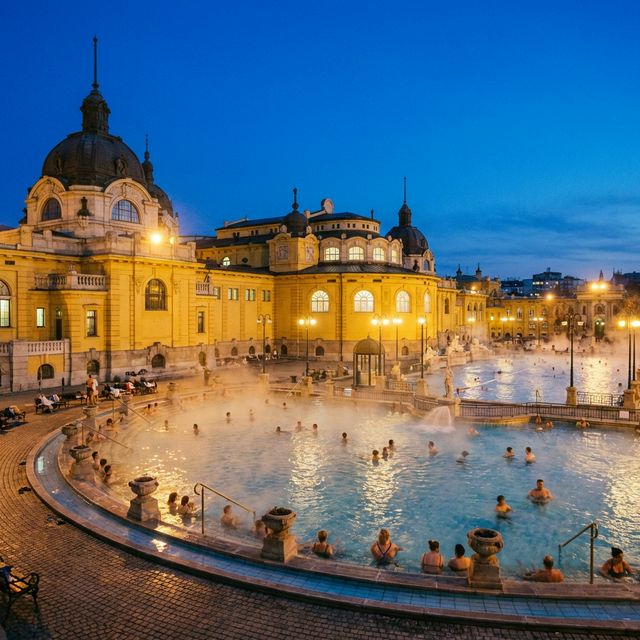
Budapest's thermal baths are world-famous, and the Széchenyi Thermal Baths (€25 on weekdays, €27 on weekends) are the crown jewel — one of Europe's largest medicinal bath complexes set in a stunning neo-baroque building. The experience of soaking in steaming outdoor pools while admiring the ornate yellow architecture is truly magical, especially in winter when steam rises dramatically into the cold air.
For a more intimate experience, try the art nouveau Gellért Baths (€22) or the authentic Turkish-era Rudas Baths (€18, with a rooftop pool offering panoramic city views). The Hungarian Parliament building (€10 for EU citizens, €15 for others) is breathtaking both inside and out — one of Europe's most impressive government buildings. Walk across the iconic Chain Bridge at sunset for free, explore the medieval Buda Castle district, and climb to the Fisherman's Bastion for sweeping panoramic views over the Danube and Pest — all completely free.
The Ruin Bar Scene
Budapest's ruin bars are globally legendary, and they're a major reason travelers flock to the city. Born in the early 2000s when entrepreneurs transformed abandoned buildings in the old Jewish Quarter into eclectic drinking dens, the ruin bar scene has become one of Budapest's defining cultural experiences.
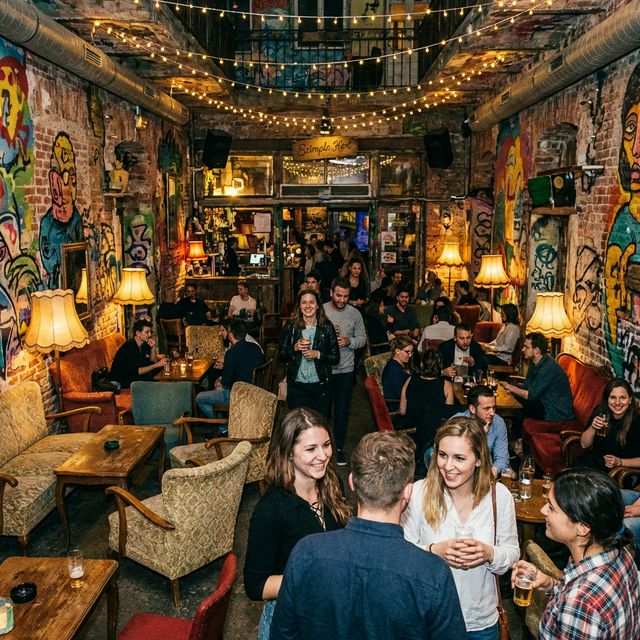
Szimpla Kert, the original and most famous ruin bar, is a multi-room labyrinth of mismatched furniture, bathtubs, vintage cars, and street art spread across courtyard levels. Beer costs €2-3, wine €2-4, and cocktails €4-6 — a fraction of what you'd pay at a similar venue in London or Paris. The Jewish Quarter (District VII) has dozens of bars, clubs, and restaurants within easy walking distance, making bar-hopping effortless.
Where to Stay on a Budget
- District VII (Jewish Quarter) — The heart of Budapest's nightlife and ruin bar scene. Hostels from €10/night, boutique hotels from €30/night. You'll be steps from the action.
- District V (Inner City) — The most central district with stunning Danube views. Boutique hotels from €35/night deliver luxury at budget prices.
- District VI (Terézváros) — Near grand Andrássy Avenue and the Opera House. Mid-range hotels from €25/night, excellent restaurants nearby.
- Buda side — Quieter, more residential, with stunning castle views. Airbnbs from €20/night for those who prefer peace over nightlife.
Hungarian Food on a Budget
Hungarian cuisine is hearty, flavorful, and incredibly affordable. A bowl of rich goulash soup costs €3-5, chicken paprikash with nokedli (Hungarian dumplings) €6-8, and the beloved lángos (deep-fried dough with sour cream and cheese) is a street food staple at €2-3. Visit the magnificent Great Market Hall (Nagyvásárcsarnok) for fresh produce, paprika, and the best food stall prices in the city. A full restaurant meal with Hungarian wine costs just €10-15 per person — try a glass of Tokaji for €3-4.
Best Time to Visit
April-June and September-October offer the best weather for exploring. December is magical with Christmas markets along the Danube. Summer (July-August) means outdoor festivals and river beaches. A weekend in Budapest costs as little as €120-200 per person including flights, accommodation, food, and activities. Search on Flajt.com for the cheapest flights!
Comprehensive Budget Travel Strategies for Budapest
Traveling to Budapest on a tight budget is entirely achievable if you follow a few proven, golden rules of budget travel. First and foremost, always aim to book your flight tickets and accommodations several months in advance to secure the absolute best early-bird rates. When deciding what to pack for Budapest, remember to bring highly comfortable, broken-in walking shoes, as the most rewarding way to experience the hidden charm of the city is undoubtedly on foot. Exploring the winding streets and historic avenues slowly allows you to discover places not mentioned in guidebooks. Additionally, consider purchasing a local prepaid SIM card upon arrival, or download offline maps ahead of time to navigate the extensive public transport networks efficiently without incurring expensive international roaming charges. When it comes to dining, it is crucial to avoid restaurants situated directly alongside major tourist landmarks or central plazas, as these establishments tend to be significantly overpriced and often cater specifically to tourists rather than offering authentic cuisine. Instead, make the effort to explore the quieter side streets and residential neighborhoods nearby, where authentic, affordable, and spectacular local cuisine awaits you in establishments frequented by the residents themselves.
Essential Packing Guide
Regardless of the specific season in which you plan to visit, the weather in Budapest can sometimes be quite unpredictable. The ultimate secret to staying comfortable is packing in layers. During the warmer summer months, lightweight, breathable, and moisture-wicking fabrics are ideal for long days of daytime exploration. However, you should always pack a light windbreaker jacket or a warm sweater for unexpectedly cooler evenings. Conversely, in the wintertime, high-quality thermal base layers, a robust waterproof and windproof winter coat, and insulated, water-resistant boots are absolutely essential to stay warm and comfortable while you enjoy the city's myriad outdoor attractions and holiday markets. Furthermore, do not forget to pack a universal power adapter to keep your devices charged, along with a high-capacity portable power bank. You will likely be using your smartphone extensively for navigation, photography, and translating menus throughout the day, and running out of battery can be incredibly frustrating.
Local Etiquette, Customs, and Culture
Taking the time to understand and respect the local etiquette in Budapest will make your trip infinitely more enjoyable and will help you connect authentically with the local residents. Starting any interaction with a polite, friendly greeting in the local language always goes a very long way and shows respect for the culture. In many cafes, bars, and restaurants across the city, tipping is warmly appreciated though it may not always be strictly mandatory; leaving a 5% to 10% tip for excellent and attentive service is generally customary and considered good manners. When utilizing the public transportation system, particularly when riding the escalators in the busy metro stations, always remember to stand on the right side. This allows rushed commuters and locals to pass smoothly on the left. Finally, be mindful of your overall volume and noise levels in public spaces, museums, and on public transit, as locals generally appreciate and maintain a calm, quiet, and respectful atmosphere in their daily lives.
Health, Safety, and Practical Information
Budapest is generally considered a very safe and secure destination for international tourists, but it remains wise to practice basic situational awareness at all times. Always keep your valuables, passports, and wallets secure and hidden, particularly when navigating crowded areas such as bustling public markets, popular tourist squares, and central transit hubs, to deter opportunistic pickpockets. It is highly recommended to ensure you possess comprehensive travel insurance that adequately covers both unexpected medical emergencies and sudden trip cancellations. In most parts of the city, the tap water is incredibly clean and perfectly safe to drink, so carrying a sturdy reusable water bottle is an excellent way to save money and simultaneously reduce your plastic waste footprint. Should you need any basic medical supplies, over-the-counter medications, or first-aid items, the local pharmacies are exceptionally well-stocked, strictly regulated, and staffed by highly trained, helpful medical professionals who can often offer invaluable advice.
Photography Tips and Scenic Viewpoints
For photography enthusiasts, amateur snappers, and social media lovers, Budapest offers an absolute abundance of stunning visual opportunities around every corner. To capture the most magical shots, try to wake up early to photograph the iconic historical landmarks without the overwhelming daytime crowds. The "golden hour," occurring just after sunrise and shortly before the sun sets, provides the most spectacular, soft, and dramatic lighting for sweeping cityscapes and intricate architectural details. While it is important to photograph the famous, must-see monuments, do not focus on them exclusively. Remember to look closely for interesting urban textures, vibrant local street life, hidden alleyways, and the unique architectural quirks that give Budapest its distinct and memorable character. Lastly, always be respectful and ask for explicit permission before attempting to take close-up portraits of locals going about their daily lives.
Ready to travel?
Search flights